This article is educational and cannot replace an assessment by a qualified healthcare professional. It covers terminology, causes, symptoms, diagnosis, treatment, rehabilitation, and what recovery can look like. The goal is to help survivors and families understand the road ahead.
Key Takeaways
- Anoxic means oxygen is cut off completely; hypoxic means oxygen is reduced.
- Causes range from cardiac arrest and choking to overdose, carbon monoxide, and birth complications.
- Symptoms can affect memory, movement, speech, swallowing, mood, and consciousness.
- Fast emergency care plus individualized rehabilitation supports the best functional outcome, but no one can predict a single person's recovery.
What Are Anoxic and Hypoxic Brain Injuries?
The Terminology
The Brain Injury Association of America draws the line this way: with hypoxic injury, some oxygen reaches the brain but not enough. With anoxic injury, oxygen is cut off completely. In practice, the terms overlap, and clinicians choose words based on the cause and setting.
Related terms you may hear:
- Hypoxic-ischemic injury: reduced blood flow plus reduced oxygen delivery
- Anoxic encephalopathy: diffuse brain dysfunction following oxygen loss
- Cerebral hypoxia: a general term for low oxygen reaching the brain
How Oxygen Deprivation Damages the Brain
The brain needs a constant supply of oxygen and glucose to make energy. When that supply stops, energy production fails, cells swell, and chemical cascades involving glutamate, calcium, and free radicals damage neurons. Networks that control consciousness, memory, movement, and speech can all be affected.
Oxygen delivery can fail in several ways:
- Blood carries too little oxygen because of lung or airway problems
- Blood flow drops, as in cardiac arrest
- Cells cannot use the oxygen they receive, as in cyanide poisoning
Global vs. Localized Injury
Cardiac arrest tends to cause global injury, affecting broad areas of the brain, though damage is not always uniform. Some regions, such as the hippocampus (central to memory) and "watershed" zones between blood supplies, are especially vulnerable. Where the damage falls shapes the symptoms.
How It Differs From Traumatic Brain Injury
Traumatic brain injury (TBI) results mainly from external force. Oxygen deprivation is a nontraumatic mechanism. One event can cause both, such as a head injury combined with drowning or a crash that stops breathing.
What Causes Anoxic and Hypoxic Brain Injury?
Cardiac, Circulatory, and Respiratory Causes
- Cardiac arrest
- Stroke or severe ischemia
- Profound low blood pressure or shock
- Respiratory failure and severe lung disease
- Airway obstruction or impaired gas exchange
Cardiac arrest is the most heavily studied cause. The American Heart Association's 2025 guidelines estimate 263,711 EMS-treated nontraumatic cardiac arrests in the US in 2024.
Among adults treated by EMS for out-of-hospital arrest, 10.5% survived to discharge, and 8.2% had favorable neurological outcomes. Not every survivor has brain injury, and not every arrest is counted the same way, so these figures describe arrests, not injury rates.

External and Toxic Causes
- Choking, strangulation, and electrical shock
- Drowning
- Smoke and carbon monoxide inhalation
- Drug overdose, especially opioids that slow or stop breathing
Treatment differs by cause. Naloxone reverses opioid effects specifically, and carbon monoxide poisoning is treated with oxygen and, in selected cases, hyperbaric oxygen. Neither applies to every oxygen-deprivation injury.
CDC data show roughly 4,083 unintentional drowning deaths per year in the US, with about 8,111 nonfatal drowning ED visits. Nonfatal outcomes range from no injury to permanent disability.
Newborns and Infants
Hypoxic-ischemic encephalopathy (HIE) occurs when a baby's brain receives reduced oxygen or blood flow before, during, or shortly after birth. Not all neonatal encephalopathy is hypoxic-ischemic.
The National Institute of Neurological Disorders and Stroke lists common contributors such as:
- Maternal or newborn infection
- Heart or lung problems
- Placental, uterine, or umbilical cord problems
- Delivery complications
A Northern California cohort found HIE in 1.7 per 1,000 births at 35 weeks or later. Any worrying sign in a newborn deserves prompt pediatric evaluation.
Symptoms and Signs of Anoxic or Hypoxic Brain Injury
Emergency Warning Signs
Call 911 for any of these:
- Unresponsiveness or loss of consciousness
- Absent, abnormal, or gasping breathing
- Blue or gray skin or lips
- Severe confusion
- Seizures
Do not try to figure out the cause first. For cardiac arrest, the AHA advises calling 911, starting CPR, and using an AED if one is available.
Cognitive and Communication Effects
- Memory problems and reduced attention
- Slowed thinking and impaired judgment
- Trouble finding words or understanding language
- Changes in speech and swallowing
Executive function (planning, organizing, self-monitoring) is often hit hardest. In a 2017 cohort of 141 cardiac arrest survivors, test-specific impairment affected 10%-22% at one year. That is one study, not a universal timetable.
Physical and Sensory Effects
- Weakness, tremors, spasticity, or paralysis
- Poor coordination and balance
- Altered sensation
- Vision changes
- Difficulty with everyday movements
Emotional and Behavioral Changes
Common changes include:
- Irritability and impulsivity
- Anxiety and depression
- Apathy and frustration
These often reflect injury to the brain, not intentional conduct. Families who understand this can respond with structure and patience rather than blame.
Some problems appear late. A 2024 review described delayed post-hypoxic leukoencephalopathy, with deterioration days to weeks after apparent recovery, reported after overdose and carbon monoxide poisoning. This is based mainly on case reports.
Signs in Babies and Young Children
- Poor alertness or unusual sleepiness
- Floppy or stiff muscle tone, abnormal reflexes
- Weak sucking or feeding trouble
- Seizures or unusual movements
- Breathing difficulty or pale or blue skin
- Missed developmental milestones
Infants need prompt assessment by pediatric and neurological professionals. A symptom alone does not confirm a diagnosis.
How Are Anoxic and Hypoxic Brain Injuries Diagnosed and Treated?
Diagnosis
Clinicians combine the story of the event with neurological and physical exams, blood tests, imaging, and EEG when appropriate.
- CT: rules out bleeding, swelling, or mass lesions
- MRI: more sensitive than CT for hypoxic injury
- EEG: detects seizures and assesses brain activity
- Other tests: evoked potentials and blood markers, used with caution
No single test settles prognosis. The Neurocritical Care Society's guidelines for neuroprognostication call for multimodal assessment, generally at least 72 hours after return of circulation, with sedation and other confounders excluded.
Emergency Treatment
Goals depend on the cause and are directed by specialists:
- Restore breathing and circulation to limit further injury
- Provide oxygen or ventilation when indicated
- Treat the underlying cause, such as cardiac arrest or airway obstruction
- Manage seizures and other acute complications
- Use temperature control or pressure management only when clinically appropriate

For adults who remain unresponsive after cardiac arrest, the 2025 AHA guidance supports temperature control between 32 and 37.5 °C. Eligible newborns with moderate or severe HIE may receive therapeutic cooling, but this is a distinct protocol. It does not apply to every oxygen-deprivation injury.
After Stabilization
Care shifts toward coordinated rehabilitation and supportive care. The team typically monitors:
- Consciousness and cognition
- Movement, swallowing, and communication
- Behavior, nutrition, and safety
- Medical complications
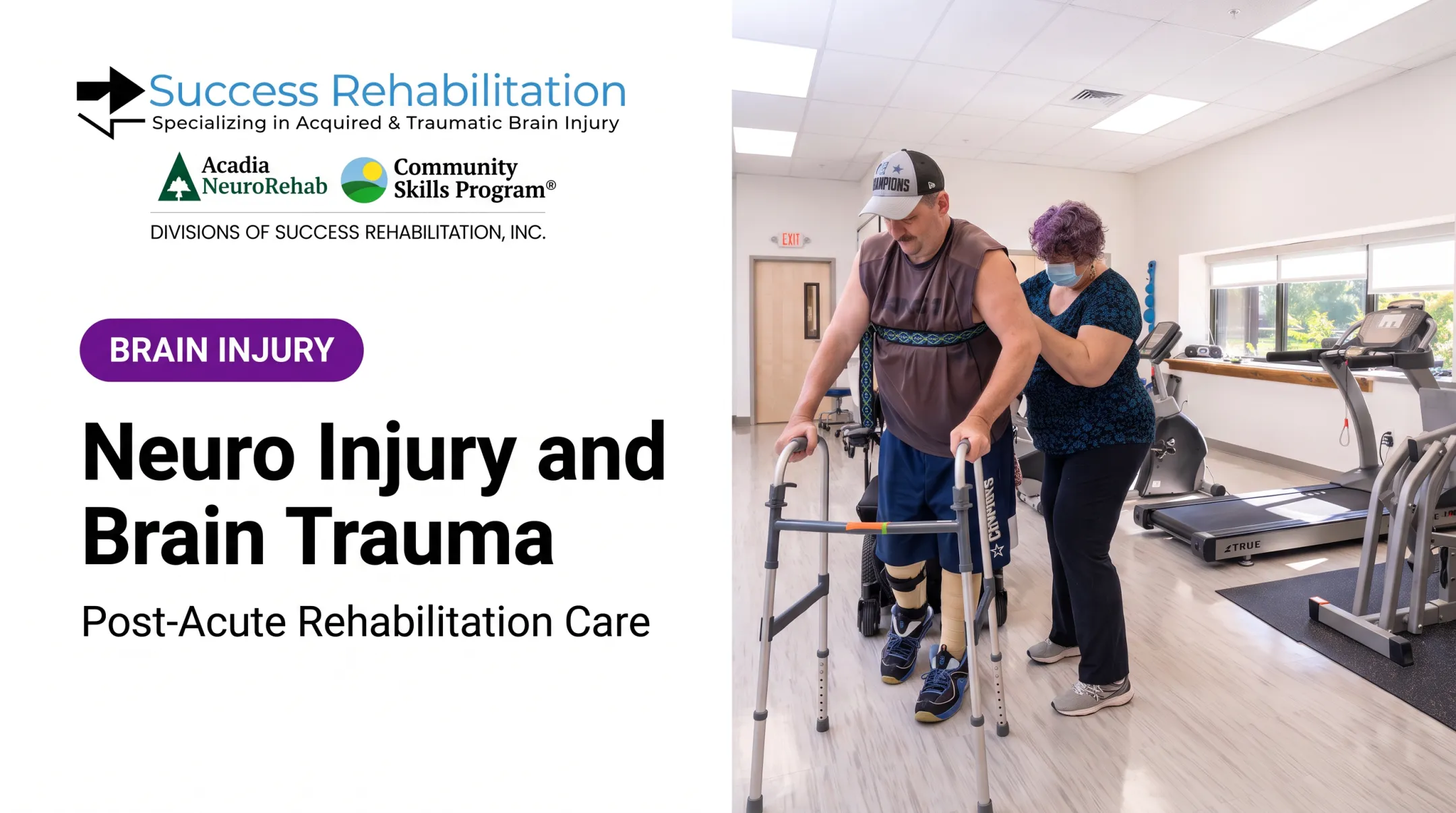
Therapy often includes physical, occupational, speech, and cognitive work, with goals set around function and independence as recovery allows.
Recovery, Prognosis, and Rehabilitation
What Shapes Prognosis
Outcomes vary with:
- Cause, severity, and duration of oxygen deprivation
- Time to resuscitation
- Brain regions affected
- Initial neurological status
- Overall health and complications
- Response to treatment
Can People Recover?
Sometimes substantially, sometimes partially, sometimes very little. Persistent coma alone does not establish a poor outcome, and a 2023 meta-analysis of severe anoxic injury documented late recovery of consciousness in some patients.
Recovery is judged over time by the treating team, not promised at the start.
Multidisciplinary Rehabilitation
A strong program draws on several disciplines:
- Physical therapy: mobility, strength, balance
- Occupational therapy: self-care, routines, adaptive strategies
- Speech-language therapy: communication and swallowing
- Cognitive and neuropsychological rehabilitation: memory, attention, organization
- Behavioral support and psychotherapy: mood and behavior
- Vocational and community planning: return to work or meaningful activity

The AHA's 2025 guidance supports multimodal rehabilitation assessment before discharge after cardiac arrest.
Practical Strategies for Survivors and Caregivers
- Keep consistent daily routines
- Break tasks into small steps
- Allow extra processing time
- Track functional changes in a log
- Reduce safety risks at home
- Attend every follow-up appointment
- Set measurable goals around the person's own priorities
A 2015 trial of nurse-led follow-up after cardiac arrest found improved quality of life in some areas at one year, though not in every outcome measured.
Post-Acute Support From Success Rehabilitation
For eligible adults, post-acute programs can follow hospital care. Success Rehabilitation has focused on brain injury for 35 years, serving adults 18 and older with acquired or traumatic brain injury or other neurological impairment.
Its team includes psychologists, cognitive rehabilitation therapists, speech-language, occupational, and physical therapists, vocational specialists, and physiatrists.
Services include residential, outpatient, neurocognitive day, home-based, and community-based programs in Pennsylvania. In New Jersey, services are home- and community-based only.
Plans are individualized and built with the person and their family, aiming at greater independence in the least restrictive setting. This is not emergency care, and eligibility depends on medical stability, funding, and ability to take part in rehabilitation.

Frequently Asked Questions
What are the symptoms of anoxic brain damage?
Early signs include unresponsiveness, abnormal breathing, confusion, and seizures. Call 911 immediately. Longer-term effects can include memory, attention, speech, movement, sensory, and mood problems, or disorders of consciousness.
What are the signs of brain damage in babies caused by lack of oxygen?
Watch for poor alertness, abnormal muscle tone or reflexes, feeding difficulty, seizures, unusual movements, or developmental delays. Seek urgent pediatric evaluation rather than self-diagnosing.
What is a severe hypoxic brain injury?
It is a major loss of oxygen delivery that can affect consciousness, movement, cognition, and vital functions. Severity is determined clinically, using exams, imaging, and other tests over time.
Can you recover from anoxic brain injury?
Recovery varies widely and may be substantial, partial, limited, or ongoing. Cause, severity, treatment timing, and complications all matter, and no specific outcome can be promised.
How to recover from hypoxic brain damage?
Recovery involves medical follow-up and an individualized rehabilitation plan. It may include physical, occupational, speech, cognitive, behavioral, and community-based support.
What is the life expectancy of someone with an anoxic brain injury?
No universal estimate exists. Clinicians consider the cause, neurological status, medical complications, overall health, and level of ongoing support.