The CDC reports more than 795,000 strokes each year in the US, and about 87% are ischemic. This article separates ischemic stroke from broader global hypoxic-ischemic injury, then covers causes, warning signs, hospital care, and post-acute rehabilitation.
If someone has sudden stroke symptoms, call 911. Don't rely on an article to decide what to do.
Key Takeaways
- Ischemia is reduced blood flow; hypoxia is reduced oxygen. They often occur together.
- Sudden face drooping, weakness, speech trouble, vision loss, or severe imbalance is an emergency.
- Outcomes depend on brain region, severity, cause, treatment timing, and overall health.
- Rehabilitation addresses physical, cognitive, emotional, and daily-living needs after the crisis.
What Is Ischemic Brain Injury?
What ischemia means in the brain
Ischemic brain injury is damage from inadequate blood flow to the brain. The brain needs a constant supply of oxygen and glucose and has almost no reserves. When delivery stops, cells face an energy crisis.
Without fuel, ion pumps fail, sodium and water build up inside cells, and excess glutamate signaling harms neurons. Inflammation and swelling can add more damage. Severe or prolonged interruption leads to permanent injury.
A well-known 2006 analysis by Saver estimated neuron loss at 1.9 million per minute in a modeled large-vessel stroke. That figure applies to that scenario, not as a countdown for every case.
Focal ischemia, ischemic stroke, and global hypoxic-ischemic injury
- Focal ischemia affects the region fed by a blocked or narrowed vessel. Ischemic stroke is the common example.
- Global hypoxic-ischemic injury follows events like cardiac arrest or severe shock, when circulation or oxygen fails across the whole brain.
The terms aren't interchangeable. Global injury tends to hit the hippocampi, cortex, thalami, striatum, and parts of the cerebellum hardest, and it often involves a second wave of injury once circulation returns.

How the affected area shapes symptoms
| Region | Commonly associated effects |
|---|---|
| Left hemisphere | Right-sided weakness; language, reading, writing problems |
| Right hemisphere | Left-sided weakness or neglect; spatial and memory difficulties |
| Cerebellum | Poor coordination, balance trouble, dizziness |
| Brainstem | Swallowing, speech, vision, or breathing problems |
These are patterns, not diagnoses. No single symptom defines severity. Clinicians combine imaging, neurological exams, history, and functional changes to judge the extent of injury. Only a clinician can assess an individual case.
Causes, Types, and Symptoms
Common causes and risk factors
Focal causes include:
- A clot forming at a narrowed artery (thrombotic stroke)
- A clot or debris traveling from the heart or a large artery (embolic stroke)
- Atrial fibrillation, which lets clots form in the heart
Global causes include:
- Cardiac arrest
- Prolonged low blood pressure
- Severe anemia
- Systemic oxygen deprivation
Major risk factors include:
- High blood pressure
- High cholesterol
- Smoking
- Diabetes
- Atrial fibrillation
- Other vascular disease
Of the roughly 795,000 annual US strokes, about 610,000 are first strokes and 185,000 are recurrent. Risk factors raise odds; they don't explain any one person's injury.
Recognizing a possible stroke
BE-FAST is the common framework:
- Balance: sudden loss of balance or coordination
- Eyes: sudden vision changes
- Face: drooping on one side
- Arm: weakness or numbness
- Speech: slurred or confused
- Time: call 911
Other signs include sudden confusion, trouble walking, and a sudden severe headache with no known cause, according to NINDS guidance. Note when symptoms began, or when the person was last known to be well. Treatment decisions hinge on that time.

Call right away, even if symptoms fade. Don't drive the person yourself, and don't give food or medication unless emergency professionals tell you to.
Symptoms that may continue
After the emergency, people may face lasting effects such as:
- Weakness and fatigue (fatigue can last years)
- Headaches
- Trouble speaking or understanding language
- Memory and attention problems
- Swallowing difficulty
- Emotional changes and trouble with everyday tasks
A new sudden severe headache is still an emergency, not an assumed recovery symptom.
How Is Ischemic Brain Injury Diagnosed and Treated?
Emergency evaluation and testing
Clinicians establish last-known-well time, neurological status, blood glucose, vital signs, and medication history. Tests are chosen for the presentation, not run on everyone:
- CT or MRI shows injury and separates ischemia from bleeding
- Vascular imaging finds blocked arteries and identifies thrombectomy candidates
- Blood tests check glucose, counts, and clotting
- ECG looks for atrial fibrillation
Extra testing shouldn't delay treatment that is otherwise indicated.
Treatment for focal ischemic stroke
The 2026 AHA/ASA acute stroke guideline outlines selection-dependent windows:
| Treatment | Eligibility window |
|---|---|
| IV thrombolysis | Alteplase or tenecteplase within 4.5 hours for eligible patients |
| Extended thrombolysis | May be reasonable 4.5-9 hours after last known well, with qualifying imaging |
| Mechanical thrombectomy | Early 0-6 hours for large-vessel blockages; selected patients up to 24 hours |

These are eligibility windows, not guarantees. Only the stroke team can decide who qualifies. Never delay care to research options online.
Global hypoxic-ischemic injury and complications
Care for global injury, such as after cardiac arrest, focuses on restoring oxygenation and circulation, treating the cause, and protecting the brain in intensive care. Stroke reperfusion protocols don't apply.
AHA 2025 guidance calls for deliberate temperature control (32-37.5°C) for adults not following commands. It also recommends prompt EEG and cautious prognosis that accounts for sedation and other confounders.
Clinicians may monitor for:
- Brain swelling and seizures
- Swallowing problems and aspiration pneumonia
- Blood clots and pressure injuries
- Changes in consciousness
Not every patient has these.
Moving from hospital to rehabilitation
Discharge planning starts during the hospital stay. It may include:
- Swallowing, mobility, cognitive, and communication assessments
- Medication review and caregiver training
- Equipment needs
Families should ask the team about:
- The diagnosis and affected brain regions
- Warning signs needing urgent attention
- Follow-up appointments and medication instructions
- Safety precautions
- Measurable rehabilitation goals
What Does Recovery and Rehabilitation Involve?
Evaluating needs and setting goals
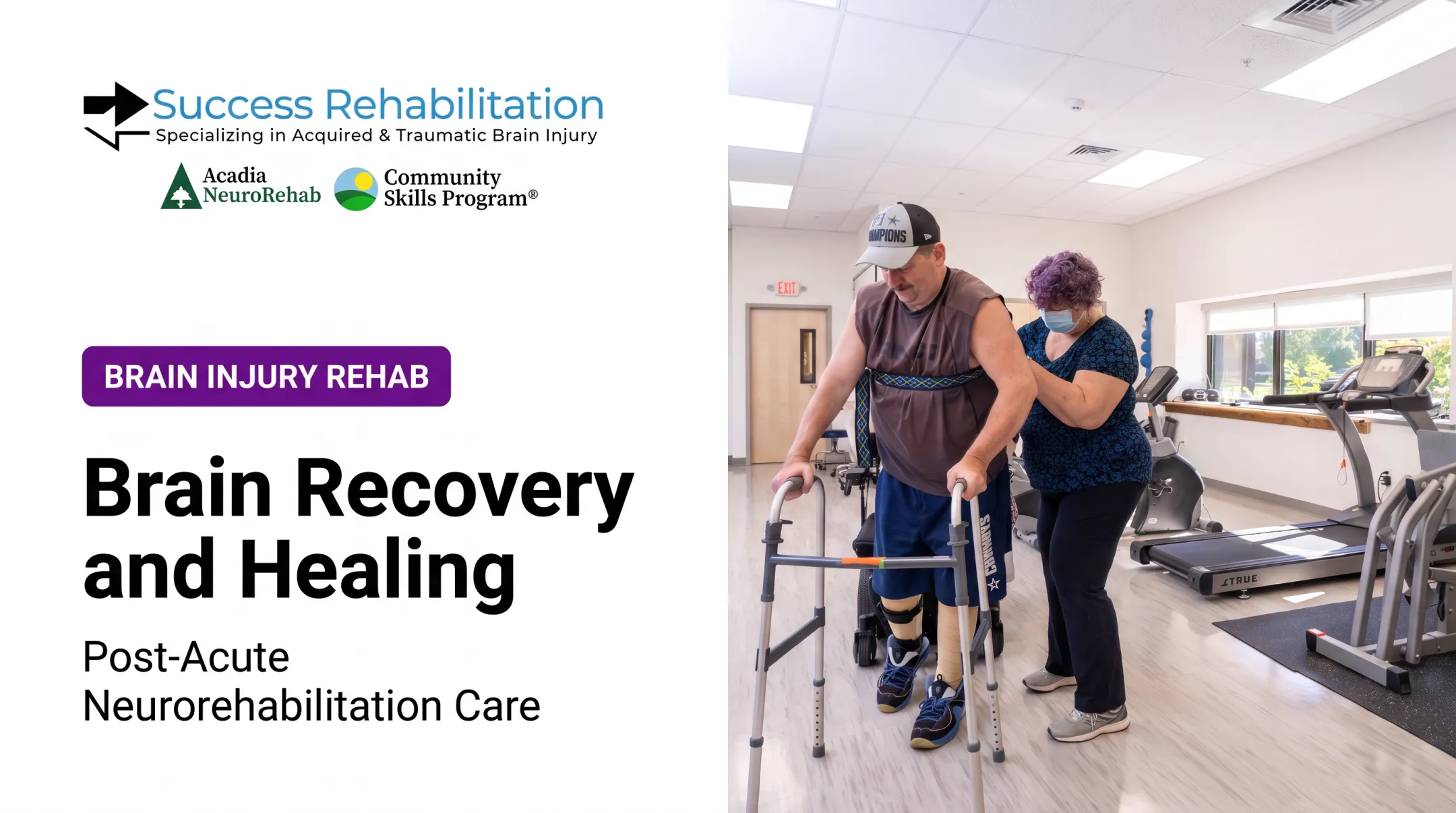
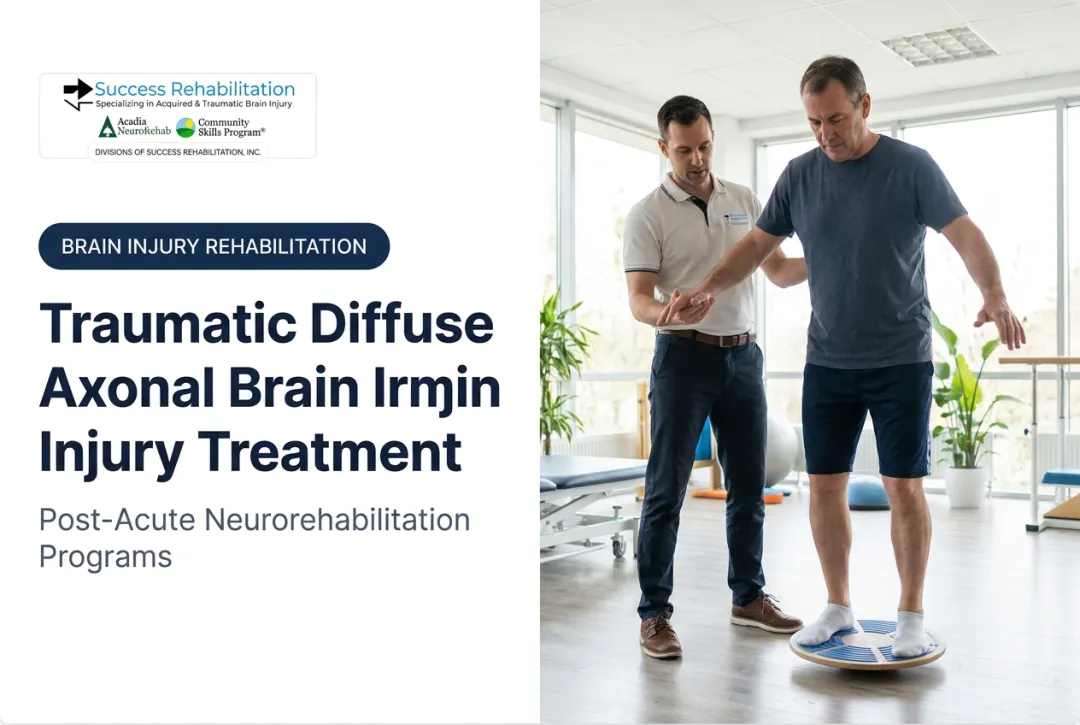
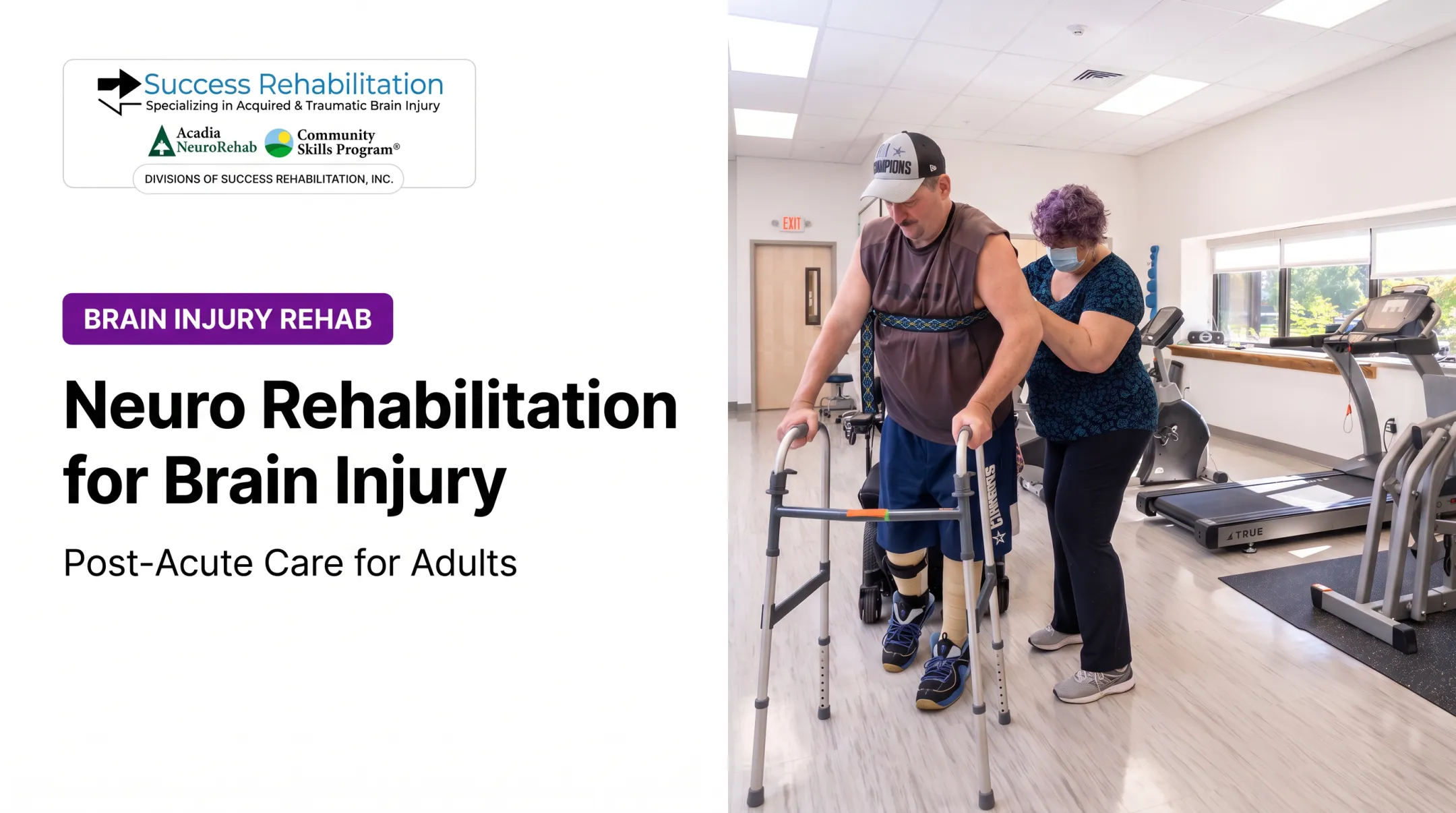
Rehabilitation starts by identifying how the injury affects mobility, balance, strength, speech, swallowing, vision, attention, memory, mood, and daily activities. The plan should reflect prior abilities, medical stability, home environment, caregiver support, and safety needs.
Care is interdisciplinary. Depending on need, physical, occupational, speech-language, cognitive, behavioral, nursing, medical, social work, and vocational professionals contribute. Goals typically progress from safety and self-care to household tasks, communication, community participation, and, when appropriate, work or school.
Settings and continuity of care
| Setting | Key distinction |
|---|---|
| Inpatient rehabilitation | Intensive interdisciplinary care; Medicare generally expects 3 hours a day, 5 days a week |
| Skilled nursing facility | Fits those who can't tolerate that intensity |
| Outpatient therapy | PT, OT, and speech therapy under an individualized plan |
| Home/community-based | Coordinated services for mobility, self-care, cognition, and participation |
Recovery isn't linear. Reassessment can set new goals as endurance, awareness, and independence change. Timing matters too: the 2026 guideline cautions that very early, high-intensity mobilization is not automatically better.

Caregiver education and community reintegration
Caregivers benefit from practical training in:
- Medication routines and supervision
- Fall prevention and fatigue management
- Communication strategies
- Preparing for appointments
- Recognizing emotional changes and when to call the clinical team
Community reintegration focuses on:
- Practicing real-world tasks and compensatory strategies
- Planning transportation
- Rebuilding social routines
- Coordinating school, work, or benefits supports
When a specialized post-acute provider may help
Success Rehabilitation offers coordinated post-acute brain injury services for adults 18 and older, including stroke survivors. Programs include residential, outpatient, neurocognitive day, home-based, and community-based options in Pennsylvania and New Jersey (residential care is Pennsylvania only).
Its multidisciplinary team includes psychologists, cognitive rehabilitation therapists, speech therapists, occupational and physical therapists, vocational specialists, physiatrists, and nursing staff, with caregiver support.

It doesn't replace emergency stroke care. Eligibility, referral, and clinical fit should be confirmed with the treating team.
Frequently Asked Questions
What happens after an ischemic stroke?
Emergency evaluation and treatment lead to monitoring, discharge planning, follow-up care, and individualized rehabilitation. Outcomes vary widely.
What is the Brain Injury Association of America?
BIAA is a national organization offering brain injury education, advocacy, information, and connections to resources. Verify current programs at biausa.org.
Are there any online support groups for brain injury survivors?
Yes. The American Stroke Association's Support Network and local group finder are reputable starting points, as are moderated peer and caregiver groups. Protect personal information and confirm medical claims with clinicians.
How is ischemic brain injury different from a hemorrhagic stroke?
Ischemic injury involves blocked or reduced blood flow; hemorrhagic stroke involves bleeding in or around the brain. Both need emergency evaluation.
When should someone seek emergency care?
Call 911 for sudden facial drooping, weakness, numbness, speech trouble, vision changes, severe imbalance, confusion, or sudden severe headache, even if symptoms improve.
Can rehabilitation help after an ischemic brain injury?
It can support mobility, communication, cognition, self-care, emotional adjustment, and community participation. The right setting and goals depend on medical status, impairments, safety, and clinician recommendations.