Recovery varies with the tumor, surgical approach, affected brain regions, overall health, and any added treatment. This guide covers the recovery timeline, rehabilitation, home preparation, follow-up care, and warning signs. Your treating team's instructions always come first.
Key Takeaways
- There is no universal timetable; progress can span days, weeks, months, or longer.
- Fatigue, headaches, and cognitive changes can occur, but new or worsening symptoms deserve a prompt call.
- Rehabilitation may include physical, occupational, speech-language, cognitive, and psychosocial support.
- The goal is meaningful progress and practical independence, not always an identical routine.
What Recovery After Brain Tumor Surgery May Look Like
The Immediate Hospital Recovery Period
The American Cancer Society says hospital recovery is usually 4 to 6 days, depending on tumor size and location, overall health, and other treatments. Johns Hopkins notes that patients will likely spend the first night in a neuro-critical care unit for observation.
Teams typically watch for:
- Changes in alertness, strength, speech, or vision
- Brain swelling, bleeding, infection, or seizures
- Pain, nausea, and medication effects
- The condition of the incision
Early walking, eating, and talking are encouraged when safe. Those milestones are encouraging, but they don't mean the brain has finished recovering.
The Transition From Hospital to the Next Level of Care
Before discharge, the team weighs mobility, communication, cognition, medication management, wound care, self-care, and caregiver availability.
In a 2015-2019 claims study of 10,275 adults, more than two thirds went directly home, 9.3% entered inpatient rehabilitation, and 9.5% entered a skilled nursing or intermediate care facility. Those are group figures, not predictions for you.
The main options differ in purpose:
- Inpatient rehabilitation: intensive daily therapy for people with significant new deficits
- Outpatient therapy: scheduled sessions while living at home
- Home-based services: therapy in the everyday environment
- Community-based support: practice with real-world routines, work, and outings
Recovery During the Early Weeks
Possible symptoms include:
- Fatigue and headaches
- Weakness or balance problems
- Poor concentration and disrupted sleep
- Mood changes
Everyday tasks can feel harder than expected. Expect uneven progress, with stronger days and rougher ones.
Don't "push through" severe fatigue or neurological symptoms. Ask your clinicians for a gradual activity plan, add small increments, and schedule rest before you need it.
Recovery Over the Following Months
Strength, endurance, speech, memory, attention, coordination, and independence can keep changing after the incision looks healed. Roswell Park describes craniotomy recovery as usually 8 to 12 weeks, with full energy sometimes taking 3 to 9 months. These are broad ranges, not promises.

Radiation, chemotherapy, and anti-seizure medication can affect energy, thinking, and therapy participation. Steroids may cause mood swings and insomnia. Coordinate rehabilitation with both the oncology and neurosurgical teams.
Functional Milestones and Personal Goals
Useful goals are concrete:
- Transferring safely and walking
- Dressing and preparing a simple meal
- Communicating needs clearly
- Managing a schedule
- Returning to school, work, or community activities
Measure progress against your own baseline, abilities, safety, and goals. Another patient's story is a poor yardstick.
What Factors Affect Recovery After Brain Tumor Surgery?
Tumor and Surgical Factors
Several tumor and surgical details shape postoperative needs:
- Location, size, and type
- Pressure on nearby tissue
- Extent of removal
Tumors near areas for movement, speech, vision, memory, or behavior can bring specific deficits.
A craniotomy is a surgical opening in the skull that gives access to the tumor. The neurosurgical team chooses the approach, often aiming for maximal safe resection: removing as much tumor as possible without harming normal function.
Patient Health and Pre-Surgery Function
Your baseline function matters as much as the surgery itself. Factors that influence recovery include:
- Strength, balance, communication, and cognition
- Seizure history, age, nutrition, and sleep
- Other medical conditions
A Moffitt study of 806 craniotomies linked high BMI, heart disease, high blood sugar, perioperative seizures, and low baseline functional status to longer hospital stays. These are associations, not proof of cause.
This is why two people with similar procedures can recover very differently.
Additional Treatment and Individual Goals
Other forces can reshape the plan:
- Ongoing cancer treatment and medication effects
- Complications and emotional well-being
- Caregiver support and home or work demands
Avoid fixed timelines. Ask your team for individualized milestones and restrictions.
How Rehabilitation Supports Recovery After Brain Tumor Surgery
A 2013 glioblastoma cohort found that 89 of 95 patients with measured outcomes improved in function during inpatient rehabilitation. It was observational, so it can't prove rehabilitation alone caused the gains. Still, it shows why many teams recommend it.

Assessment and Individualized Goal Setting
Rehabilitation starts by evaluating movement, strength, balance, speech, swallowing, cognition, vision, self-care, mood, and safety. Therapists then set practical goals, such as safer transfers, fatigue management, memory strategies, or a return to daily routines, and reassess as abilities change.
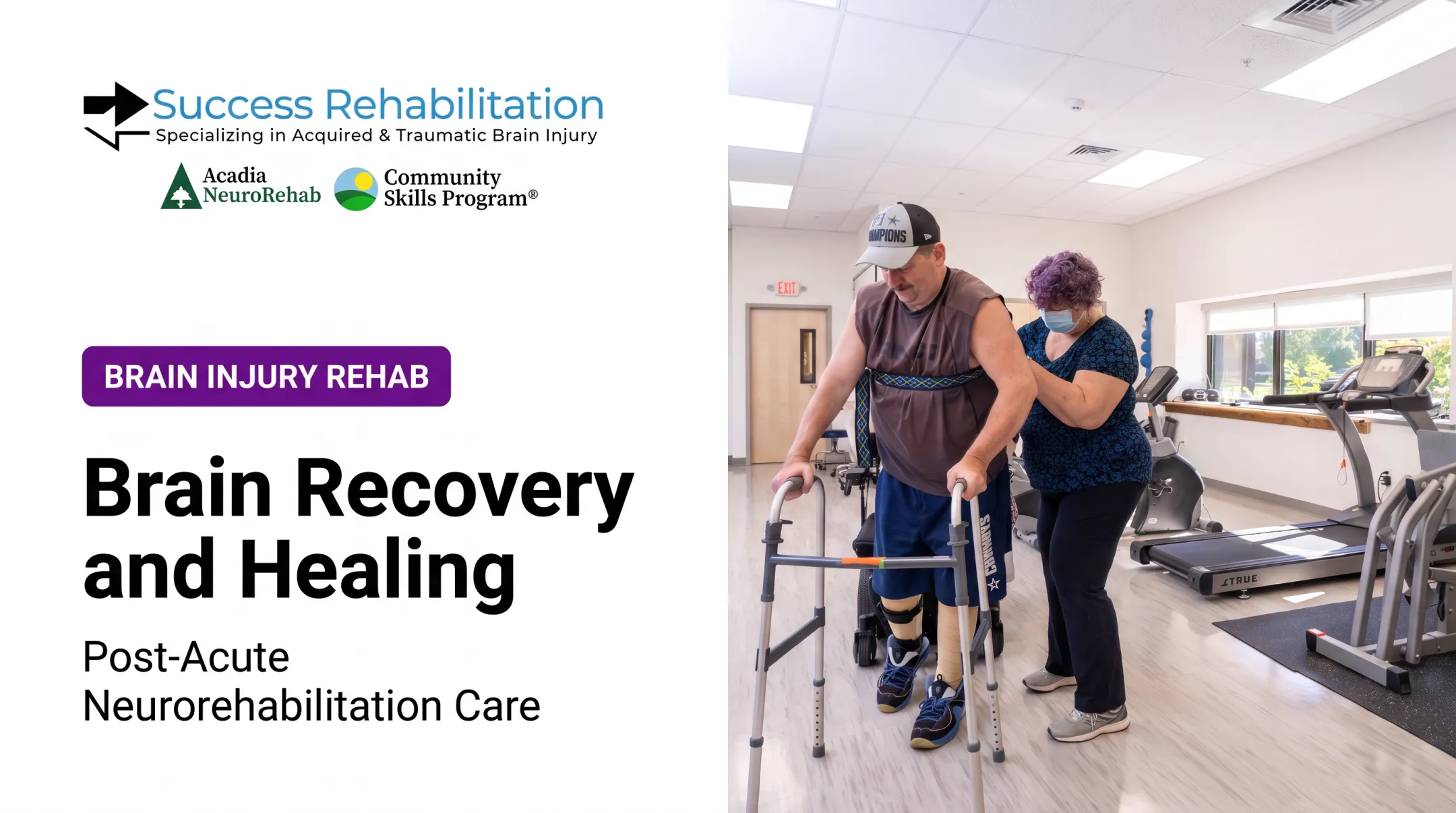
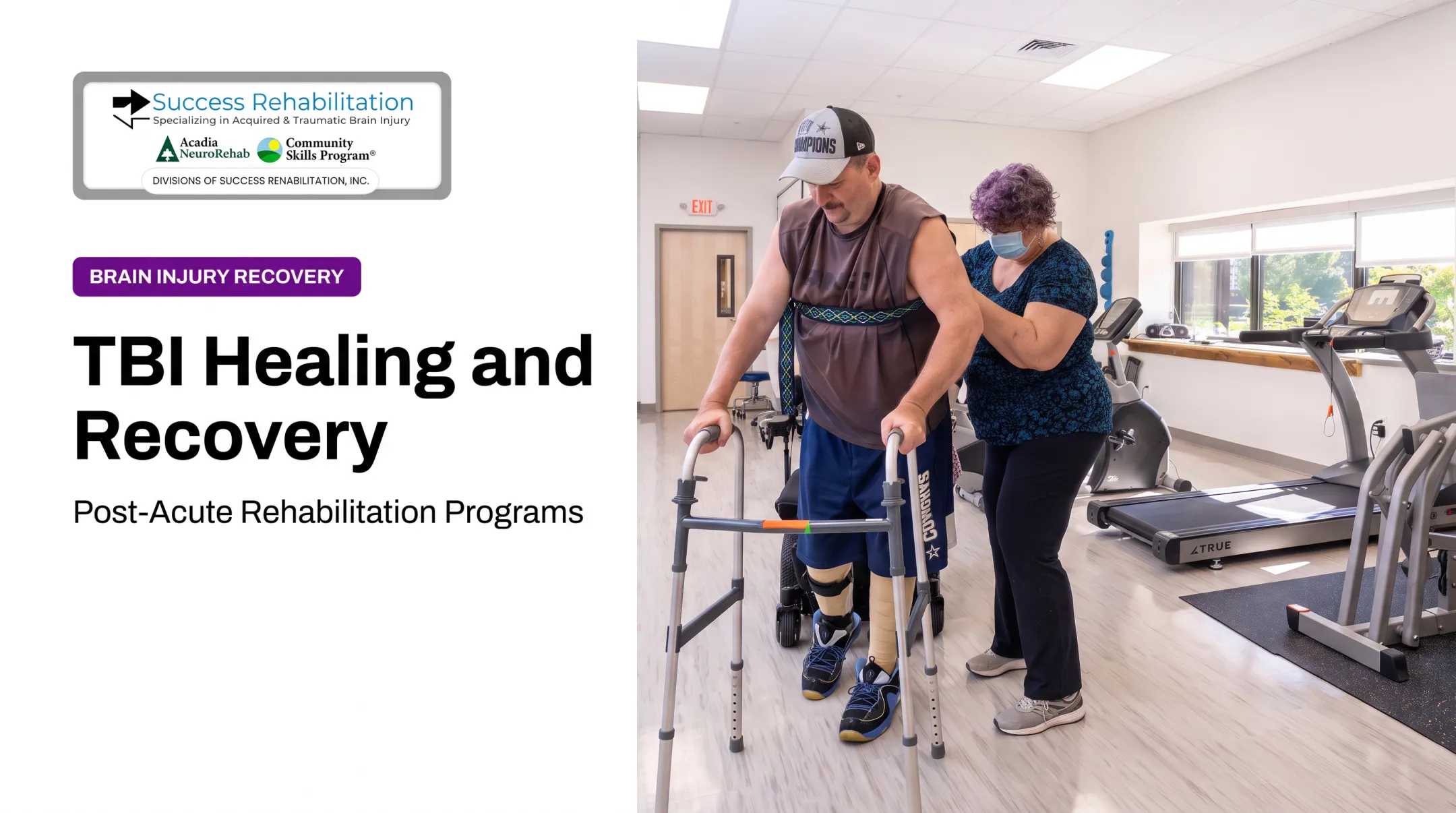
Physical Therapy
PT targets weakness, gait, balance, coordination, endurance, and fall prevention. Therapists select exercises and mobility devices based on your needs, especially when dizziness, vision changes, or seizure precautions apply.
Occupational Therapy
OT supports dressing, bathing, toileting, cooking, medication routines, computer use, and household tasks. It includes home-safety assessment, adaptive equipment, energy conservation, and a path back to valued activities.
Speech, Language, Swallowing, and Cognitive Rehabilitation
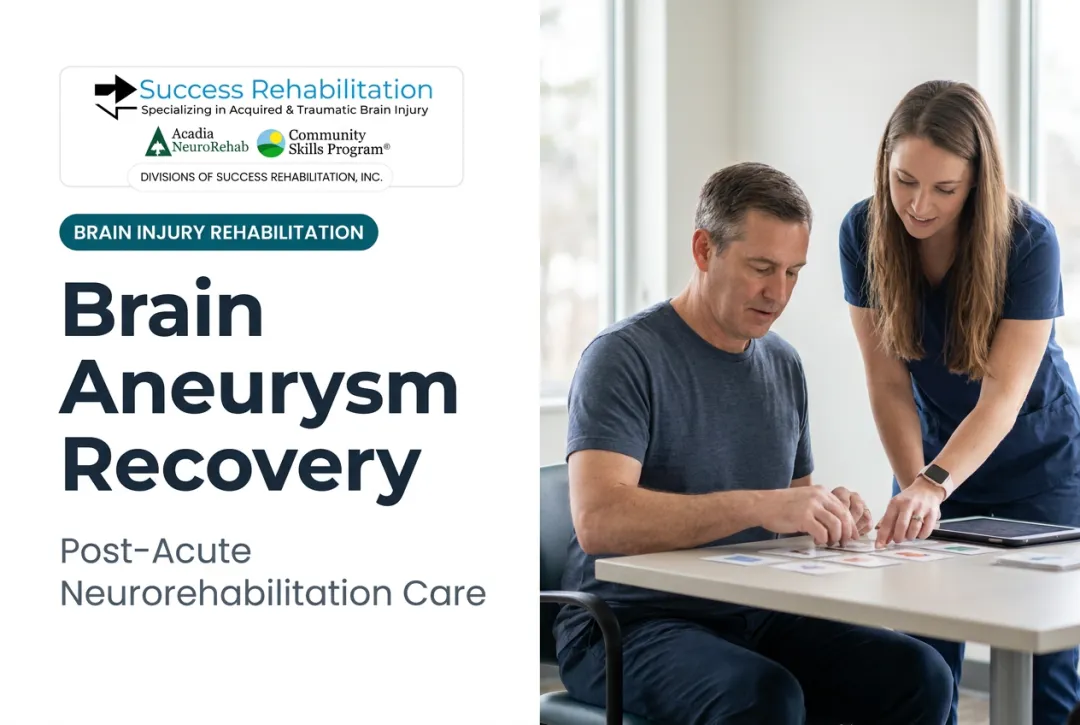
Speech-language pathologists address speaking, understanding, reading, writing, swallowing, and cognitive-communication changes. Cognitive rehabilitation targets memory, attention, processing speed, planning, and problem-solving, plus workarounds when symptoms linger.
Emotional, Caregiver, and Community Reintegration Support
Recovery support often includes:
- Counseling and social work
- Caregiver education and support groups
- Vocational planning
- Community reintegration
Success Rehabilitation provides post-acute brain injury rehabilitation in residential, outpatient, neurocognitive, home-based, and community-based settings for eligible adults who need ongoing support after acute care.
Its team includes physical, occupational, speech, and cognitive therapists, psychologists, and vocational specialists. Referrals, eligibility, and level of care should be confirmed with your treating team.
Preparing for the Transition Home and Daily Life
Make the Home Safer Before Discharge
- Clear fall hazards and plan for stairs
- Set up the bathroom and a rest area
- Arrange transportation and supervision
- Keep frequently used items within easy reach
Decide who will help with bathing, meals, appointments, medications, and emergency calls before leaving. A UW Medicine guide advises having help for the first few showers.

Organize Medications, Wound Care, and Routines
Follow the prescribed schedule and get clear instructions on:
- Seizure and pain medication
- Steroid tapering
- Incision care and bathing
- Activity restrictions
Keep a written medication list and a recovery log of symptoms, questions, and appointments.
Balance Rest, Nutrition, Sleep, and Activity
Pace yourself with planned rest, hydration, regular meals, and a steady sleep routine. Avoid unapproved supplements, alcohol, and strenuous activity.
Ask when walking, exercise, lifting, and travel can increase. One UW guide limits lifting to 10 lb for 2 weeks, but your instructions may differ.
Manage Cognitive and Communication Changes
- Use calendars, alarms, and written instructions
- Reduce distractions and do one task at a time
- Allow extra time for responses
Report persistent or worsening confusion, memory trouble, personality change, or communication difficulty. Don't assume it's normal.
Returning to Work, Driving, and Other Activities
Readiness depends on several factors:
- Neurological function and seizure risk
- Medications, vision, and reaction time
- Job demands and state rules
Johns Hopkins and UMass both say not to drive until your clinician approves. The National Cancer Institute suggests discussing timing, part-time return, and restrictions with your care team.
Get explicit clearance, and consider accommodations rather than relying on time since surgery.
Follow-Up Care and When to Seek Medical Help
Ongoing Medical and Rehabilitation Follow-Up
Johns Hopkins describes a surgeon visit at about one week after discharge. UCLA notes that final pathology typically takes around 10 days. Follow-up visits usually review:
- Pathology and imaging results
- Neurological function and medications
- The incision and further tumor treatment
- Rehabilitation goals
Bring a symptom log plus questions about fatigue, cognition, mood, activity restrictions, therapy referrals, and return to work.
Symptoms That Need Prompt Medical Attention
Follow your discharge instructions and contact your surgeon for:
- New or worsening weakness, numbness, speech or vision changes
- Confusion or unusual behavior
- A seizure
- Severe or worsening headache, or neck stiffness
- Repeated vomiting
- Fever of 101°F or higher, or chills
- Increasing drowsiness
- Incision redness, swelling, or drainage
Call 911 for severe, sudden, or life-threatening symptoms, including loss of consciousness.
Questions to Ask Before Leaving Care
- When and how should each medication be taken?
- How do I care for the incision and bathe?
- What activities are restricted, and for how long?
- Which symptoms are expected, and which are not?
- Who do I call, and at what number, in an emergency?
- When are follow-ups, and which therapy referrals are needed?
- How will I get to appointments, and what caregiver training is available?
If anything is unclear, ask again. Online timelines can't replace individualized advice.
Frequently Asked Questions
What is a craniotomy used for in the treatment of brain tumors?
A craniotomy opens the skull so a neurosurgeon can evaluate, biopsy, or remove a tumor when appropriate. The exact procedure and recovery depend on the tumor and surgical plan.
How long after craniotomy can I dye my hair?
No fixed date exists. University of Washington guidance says to avoid hair dye and hair dryers until the incision is well healed. Ask your surgical team before applying any product near it.
What are the symptoms of a frontal lobe brain tumor?
Mayo Clinic notes possible walking or balance problems, personality changes, forgetfulness, and loss of interest. Seizures, judgment, or speech changes can also occur. Symptoms vary, so seek professional evaluation.
How long does it take to recover from brain tumor surgery?
It varies widely. Incision healing and neurological recovery run on different timelines, and rehabilitation or added treatment can extend recovery. Roswell Park cites roughly 8 to 12 weeks as typical, with energy sometimes taking longer.
What types of rehabilitation are available after brain tumor surgery?
Options include physical, occupational, speech-language, swallowing, cognitive, behavioral, vocational, and community-based rehabilitation. Your team matches them to your symptoms, goals, safety needs, and recommended level of care.