Introduction
A person can walk out of the hospital looking fine and still lose track of a conversation, miss appointments, or freeze when a plan changes. Brain injury and neurological conditions often hit memory, attention, processing speed, planning, and confidence in ways other people can't see.
Cognitive neurorehabilitation therapy is individualized, provider-guided care that improves cognitive function, teaches practical strategies, and supports safe participation in daily life. This article covers assessment, restorative and compensatory techniques, caregiver involvement, and how progress gets measured.
Key Takeaways
- Good therapy targets real-world function, not just puzzles or generic brain games.
- Treatment may restore skills, compensate for lasting difficulties, or combine both.
- An interdisciplinary team builds and adjusts the plan around safety, fatigue, and daily priorities.
- Recovery varies; independence and adaptation matter more than a return to pre-injury ability.
What Is Cognitive Neurorehabilitation Therapy?
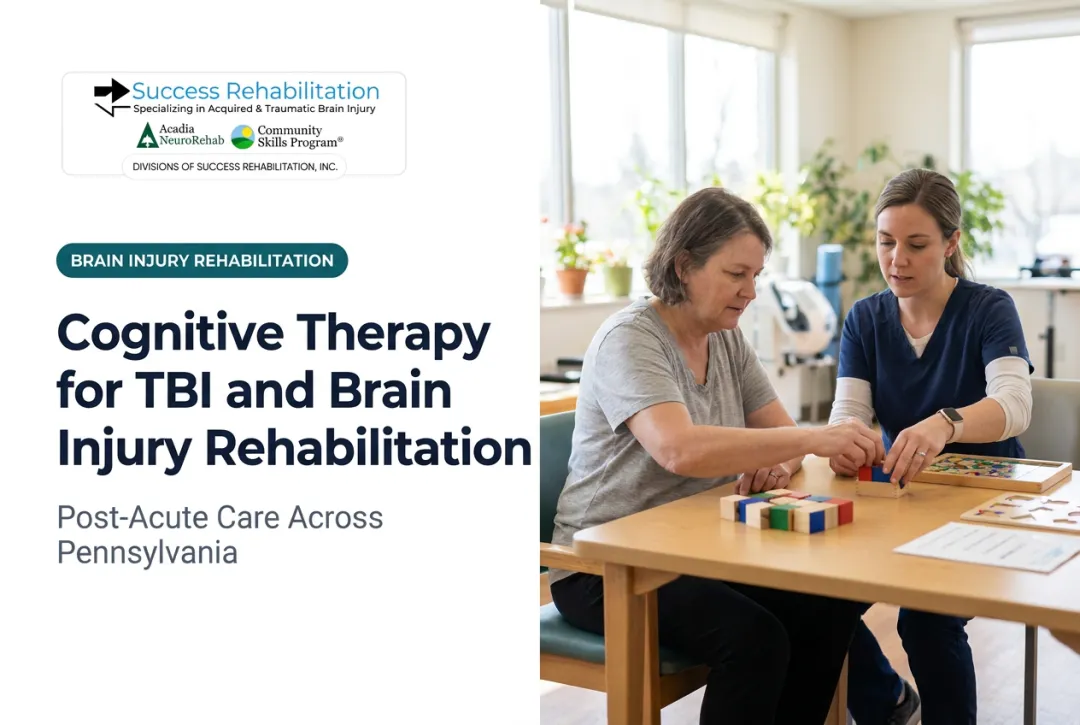
The NINDS describes cognitive rehabilitation as individualized training to regain brain function and build strategies for persistent difficulties with memory, problem-solving, and thinking. It applies after traumatic brain injury, concussion, stroke, acquired brain injury, and other neurological conditions.
Clinicians may assess and treat:
- Attention and processing speed
- Memory and new learning
- Executive function, planning, and organization
- Problem-solving and self-monitoring
- Communication
- Cognitive endurance
Restorative and compensatory approaches
Programs typically draw on three approaches:
- Restorative: Structured practice and graded challenges to strengthen or relearn a weakened skill when clinically appropriate
- Compensatory: Calendars, alarms, checklists, written instructions, and task breakdowns so a person functions well despite ongoing limits
- Adaptive: Changes to the environment, the task, or how a person responds
Strong programs usually blend all three; one approach rarely fits everyone.
How it differs from related terms
Terminology varies by provider and setting.
- Cognitive rehabilitation is often used interchangeably with cognitive neurorehabilitation.
- Cognitive remediation is a broader label that includes training and stimulation.
- Neuropsychological services center on brain-behavior evaluation and recommendations, not only treatment exercises.
- Neurological rehabilitation is the wider field covering any nervous-system injury or disease.
Whatever the label, therapy should connect test results to work, school, self-care, household tasks, and community life.
Neuroplasticity and realistic expectations
Neuroplasticity is the nervous system's ability to adapt through experience, repetition, and feedback. According to the NINDS, the brain can rewire circuits after stroke, with improvement over months or years, but lasting disability depends on injury size and location. It is not a promise of full recovery.
Evidence is mixed by outcome. A Cicerone review of 121 studies supports specific interventions for attention, compensatory memory, metacognition, and social communication. Broader gains in employment and independence are less established, so be wary of anyone guaranteeing results.

Who May Benefit From Cognitive Neurorehabilitation Therapy?
Referrals commonly follow traumatic or acquired brain injury, concussion, stroke, brain surgery, infection such as meningitis or encephalitis, oxygen deprivation, or tumors, when cognitive changes interfere with daily life.
Signs that justify an evaluation:
- Forgetting appointments
- Losing track of conversations
- Trouble following multistep instructions
- Slowed thinking or mental fatigue
- Poor planning
- Difficulty returning to work or school
- Reduced safety awareness
When evaluation and medical care should come first
Some symptoms are medical emergencies and need care before cognitive therapy begins. Seek urgent care for sudden confusion, rapidly worsening cognition, a new severe headache, repeated vomiting, weakness, slurred speech, seizure, or fainting.
For stroke signs such as facial droop, arm weakness, or speech trouble, call 911.
Beyond ruling out emergencies, candidacy depends on diagnosis, medical stability, communication ability, fatigue, emotional status, safety needs, and goals.
Persistent symptoms also deserve a medical look. Medications, poor sleep, mood problems, pain, and hearing or vision changes can mimic or worsen cognitive trouble, and they need to be addressed alongside therapy.
How Does Cognitive Neurorehabilitation Therapy Work?
It starts with assessment. The goal is a baseline and a clear picture of which problems matter most in daily life, rather than a test score in isolation. Clinicians typically review:
- Medical and injury history
- Current symptoms and functional concerns
- Cognitive screening or testing when appropriate
- Communication, fatigue, and emotional factors
- Caregiver observations
Goal setting and individualized planning
The team turns findings into specific, functional goals, such as:
- Following a medication routine
- Completing a work task
- Managing a schedule
- Joining a conversation
- Navigating a familiar community setting
The ASHA guideline calls for goals that are personally meaningful, measurable, and time-limited. Intensity, task complexity, rest periods, and home recommendations shift with tolerance and progress.

Treatment sessions and skill practice
Sessions may combine several approaches:
- Structured cognitive tasks and functional activities
- Communication practice and strategy training
- Education and graded exposure to real-world demands
Tasks should challenge enough to drive learning without causing exhaustion, frustration, symptom flares, or safety risks.
Interdisciplinary care and caregiver participation
Depending on need, the team may include:
- Occupational therapists (daily tasks, money management)
- Speech-language pathologists (cognitive-communication)
- Neuropsychologists and psychologists
- Physicians and nurses
- Physical therapists and behavioral specialists
Caregivers help by noticing patterns, reinforcing strategies, organizing routines, supporting home practice, and reporting changes. They shouldn't take over tasks the person can safely do.
Measuring progress and adjusting the plan
Progress shows up in task completion, strategy use, endurance, safety, caregiver feedback, and standardized measures when suitable. Success Rehabilitation, for example, uses the Mayo-Portland Adaptability Inventory (MPAI-4), which tracks 29 functional measures across ability, adjustment, and participation.

Plans change when progress plateaus, fatigue rises, goals shift, or a strategy works in the clinic but doesn't transfer to home, work, or school.
Common Cognitive Neurorehabilitation Techniques
Attention, processing, and cognitive endurance training
Graded tasks train sustained attention, switching between activities, filtering distractions, and finishing work within a manageable window. The strongest programs tie practice to real situations: following a conversation, reading instructions, using a computer, or sitting through a meeting.
Practice detached from daily tasks has limited evidence of carrying over, per the INCOG guidelines, which favor everyday-task-focused strategies.
Memory strategies and learning support
Internal strategies include repetition, association, visualization, spaced practice, and verbal rehearsal. A clinician picks them based on the person's memory profile.
External supports often matter more for significant impairment:
- Calendars and phone reminders
- Notebooks and checklists
- Medication organizers
- Labels and a consistent spot for keys and wallets
Executive function and problem-solving practice
Therapy can target planning, sequencing, initiation, decision-making, flexibility, and catching errors. Practical drills include:
- Breaking a big task into steps
- Estimating time and prioritizing
- Preparing for a schedule change
- Reviewing finished work for mistakes
Language, communication, and social cognition
Speech-language pathologists address word retrieval, comprehension, conversational organization, and reading social cues. Practice often includes rehearsing conversations with family, coworkers, or healthcare providers.
Functional, behavioral, and fatigue-management strategies
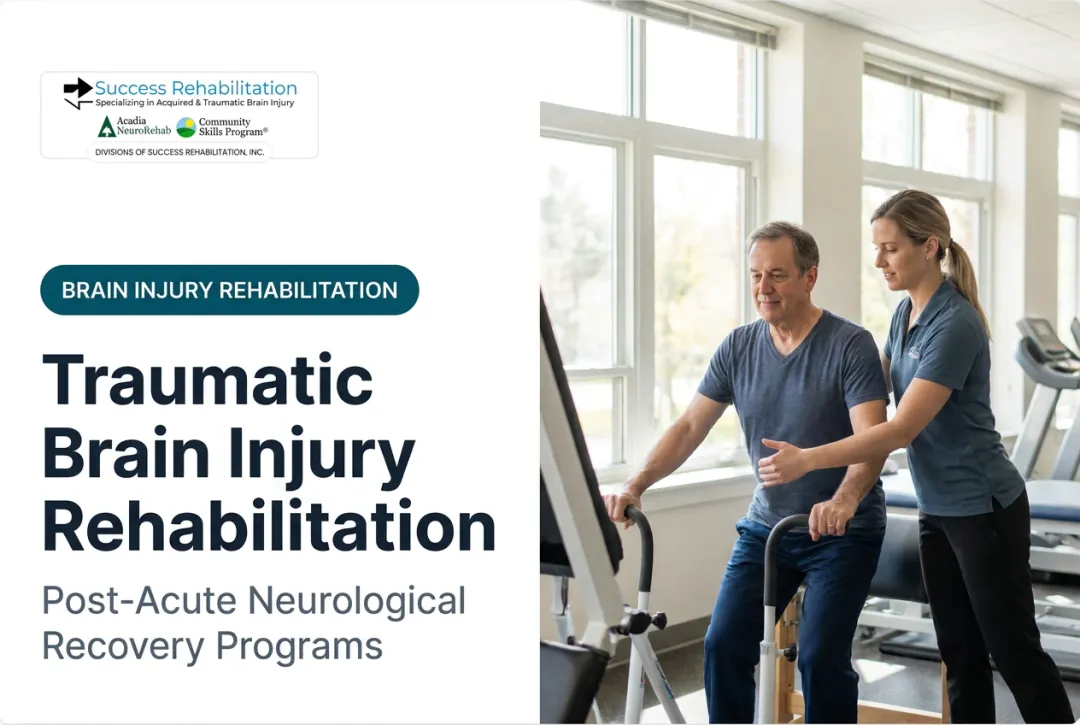
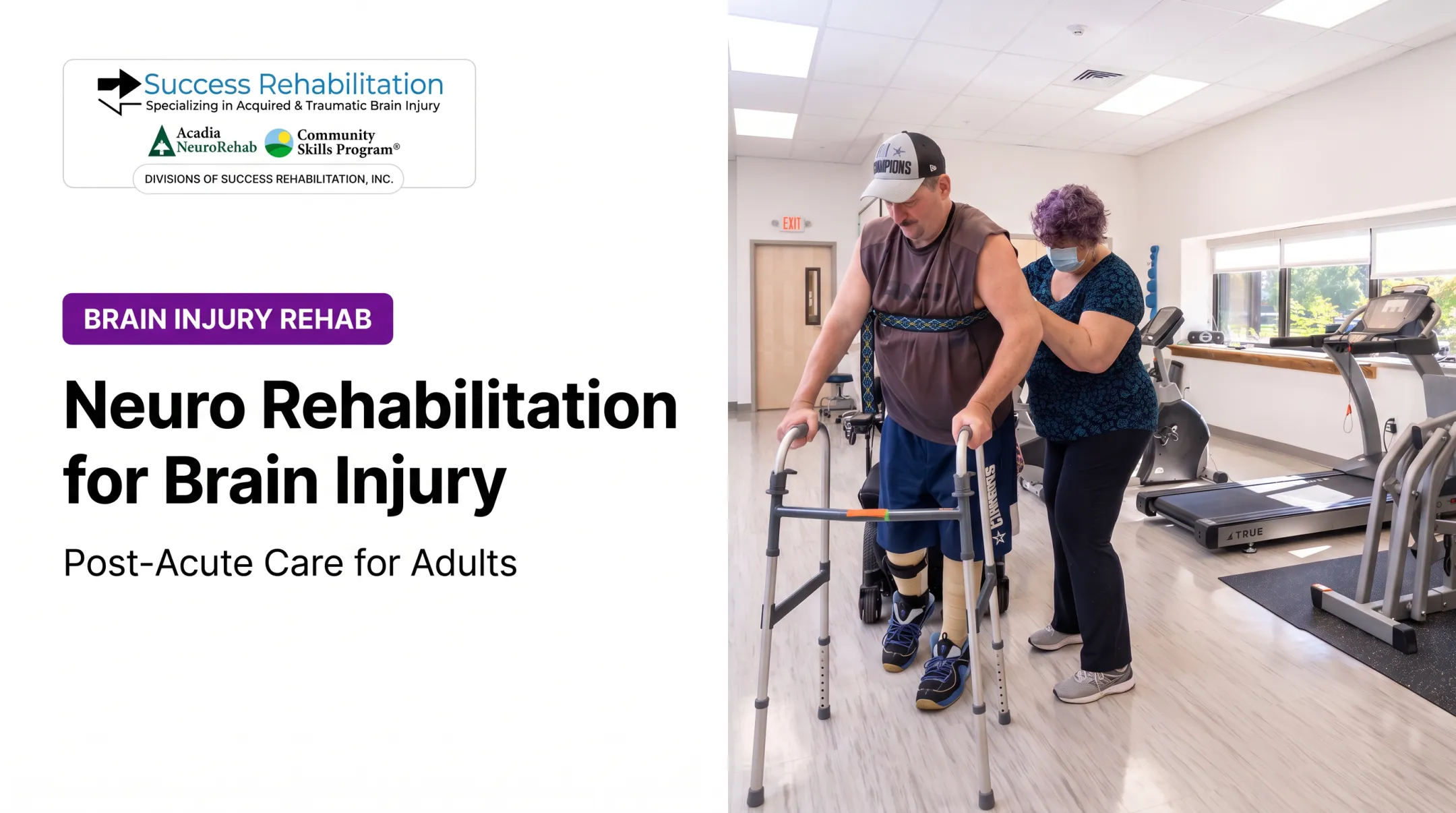
Therapists fold skills into everyday activities such as meal preparation, self-care, household management, work or school tasks, and community travel.

Strategies that reduce cognitive overload include:
- Pacing and planned rest breaks
- Routine and sleep education
- Environmental changes
- Emotional regulation support
General wellness tips are not the same as individualized clinical advice. No single brain game works for everyone, and computer training alone is not recommended for mild TBI under VA/DoD guidance.
How Therapy Supports Independence and Cognitive Recovery
Cognitive recovery shows up in daily life, not only on worksheets. Progress can mean:
- Relearning a skill or using a strategy that works
- Becoming more consistent and making fewer errors
- Sustaining effort longer or finishing a task with less help
Judge progress by meaningful function and safety, not scores on isolated exercises.
From therapy room to home, work, and community
Therapists may practice in the person's home or community, simulate everyday demands, and coordinate with caregivers, employers, schools, and case managers. Typical transfer goals:
- Managing appointments
- Preparing a simple meal
- Returning to a work routine
- Using public spaces
- Joining family and social activities
Supporting independence without ignoring safety
Common supports protect safety without stripping autonomy:
- Written prompts and organized spaces
- Adaptive equipment
- Supervision and graded assistance
These reduce missed steps, poor judgment, and fatigue while the person keeps as much control as possible.
Independence is individual. Some people resume earlier responsibilities. Others need ongoing supports or a less demanding environment.
Choosing a Cognitive Neurorehabilitation Program and Next Steps
What to look for in a program
Strong programs start with a thorough assessment and build from there. Prioritize:
- Individualized goals and progress tracking
- Caregiver education and appropriate referrals
- Coordination with medical and rehabilitation professionals
Ask about:
- Treatment setting and session frequency
- Home or community carryover
- Clinician qualifications
- Safety procedures
- Expected participation
- How the program handles plateaus
Success Rehabilitation's continuum of brain injury services
Success Rehabilitation is a post-acute rehabilitation provider with 35 years of focus on brain injury. Its neurocognitive, residential, outpatient, home-based, and community-based services support measurable progress and greater independence.

Services operate across Pennsylvania and New Jersey (residential care is Pennsylvania only). Individuals, families, caregivers, discharge planners, and case managers can access coordinated care. The admissions team can start the process from anywhere in the United States.
A realistic path forward
The right plan depends on the cause of cognitive changes, current abilities, safety needs, goals, and response to treatment. Get a professional evaluation instead of relying on generic exercises.
Then contact a rehabilitation provider to talk through assessment, setting, caregiver involvement, funding or referral requirements, and next steps. No honest provider can promise a specific outcome.
Frequently Asked Questions About Cognitive Neurorehabilitation Therapy
Can cognitive neurorehabilitation reverse mild cognitive impairment?
Therapy may improve function, teach compensatory strategies, and address contributing factors, but it can't guarantee reversal. A 2024 follow-up found test gains without significant daily-living benefits. Get evaluated to identify the cause.
What different types of cognitive neurorehabilitation are there?
Main types include restorative training, compensatory strategy training, cognitive-communication support, executive-function practice, functional rehabilitation, and caregiver or environmental interventions.
Who performs cognitive neurorehabilitation?
Occupational therapists, speech-language pathologists, neuropsychologists, psychologists, and cognitive rehabilitation therapists, with physicians and nurses handling medical needs. The mix depends on the person.
Can you live independently with mild cognitive impairment?
Often, yes, but it depends on symptom severity, safety, judgment, daily functioning, supports, and underlying cause. An individualized assessment can identify helpful strategies or supervision needs.
Is mild cognitive impairment (MCI) considered a disability?
Not automatically. Legal, employment, insurance, and benefits definitions vary and focus on documented functional limits. Consult a medical, legal, or benefits professional for a specific determination.
What is cognitive recovery?
It can mean restoring skills, building strategies, improving consistency and endurance, adapting routines, and taking part more independently in meaningful daily activities.